Hidden Patterns Shape Loyalty Tier Climbs Across Connected Betting Networks
Written by Theo Griffin · Oct 8, 2026
Hidden Patterns Shape Loyalty Tier Climbs Across Connected Betting Networks
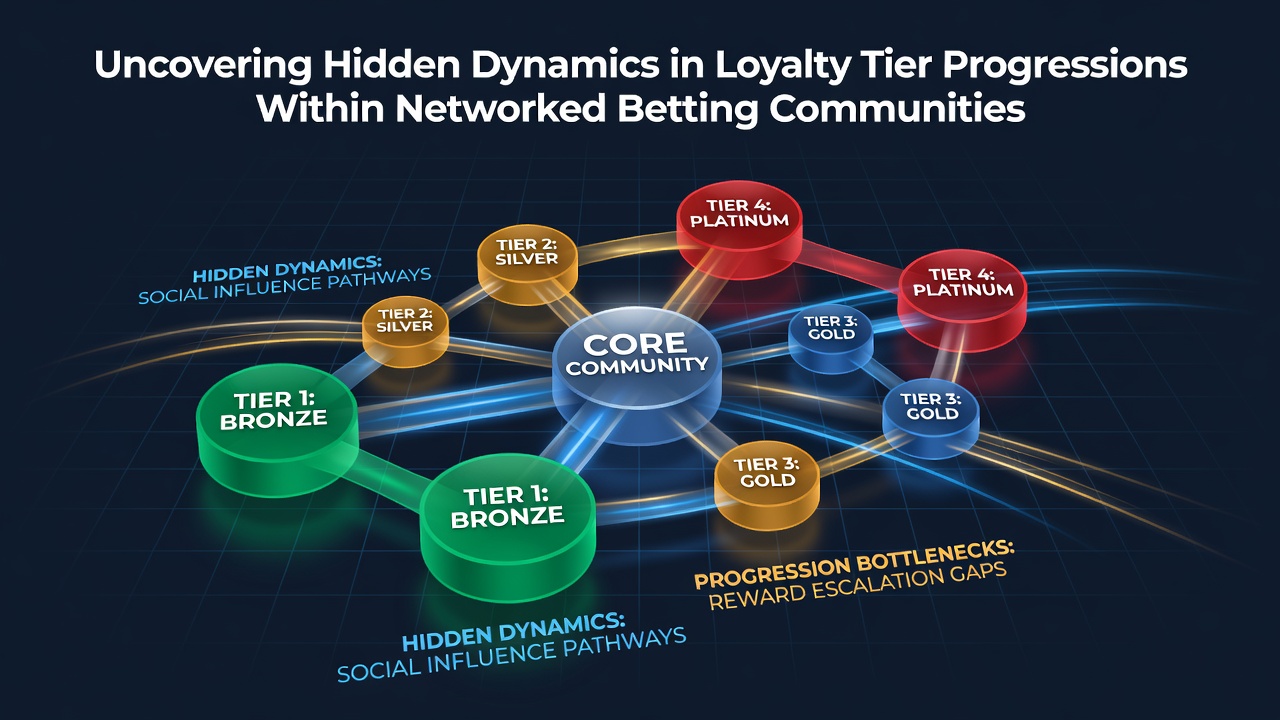
Observers note that loyalty tier progressions in networked betting communities operate through layered algorithms that track player activity across multiple platforms simultaneously. These systems collect data on wager frequency, session duration, and social referrals while adjusting progression rates based on community-wide metrics rather than individual performance alone.
Core Mechanisms Driving Tier Advancement
Research from the Canadian Gaming Association indicates that many platforms implement hidden multipliers tied to network density, where players in densely connected groups advance faster than isolated participants due to shared bonus pools and referral chains. Data shows these multipliers activate when cluster sizes reach specific thresholds, often around 50 to 200 linked accounts, and they recalibrate monthly to maintain balance across regions.
Figures reveal that progression speeds vary by geographic cluster, with North American networks showing different velocity patterns than those in Asia-Pacific areas because of regulatory variances in bonus structures and deposit requirements. A report released in October 2026 by the Australian Institute of Family Studies highlighted how cross-border player migrations influence tier stability, noting that sudden influxes from one region can trigger automatic tier freezes until equilibrium returns.
Social Network Effects on Progression Rates
Those who've studied betting networks find that referral trees create exponential advantages for early adopters within a community, as each new member contributes to collective points that unlock group-wide perks. These perks include accelerated point accrual for everyone in the subtree, a dynamic that researchers at the University of Nevada Reno documented in their 2025 analysis of interconnected gambling ecosystems.
But here's the thing: isolated players often encounter invisible barriers when attempting to reach higher tiers because algorithms prioritize nodes with high connectivity scores. Evidence suggests these scores derive from metrics like message frequency in community forums, joint tournament participation, and shared payment method usage, all of which feed into proprietary ranking models.
Data Patterns Observed in Recent Months
Statistics compiled through October 2026 demonstrate that loyalty systems now incorporate volatility adjustments linked to overall network health, pausing or accelerating individual progressions based on aggregate betting volumes across linked accounts. One study revealed that platforms adjust these parameters weekly, responding to events such as major sporting tournaments or regulatory announcements that alter player behavior patterns.
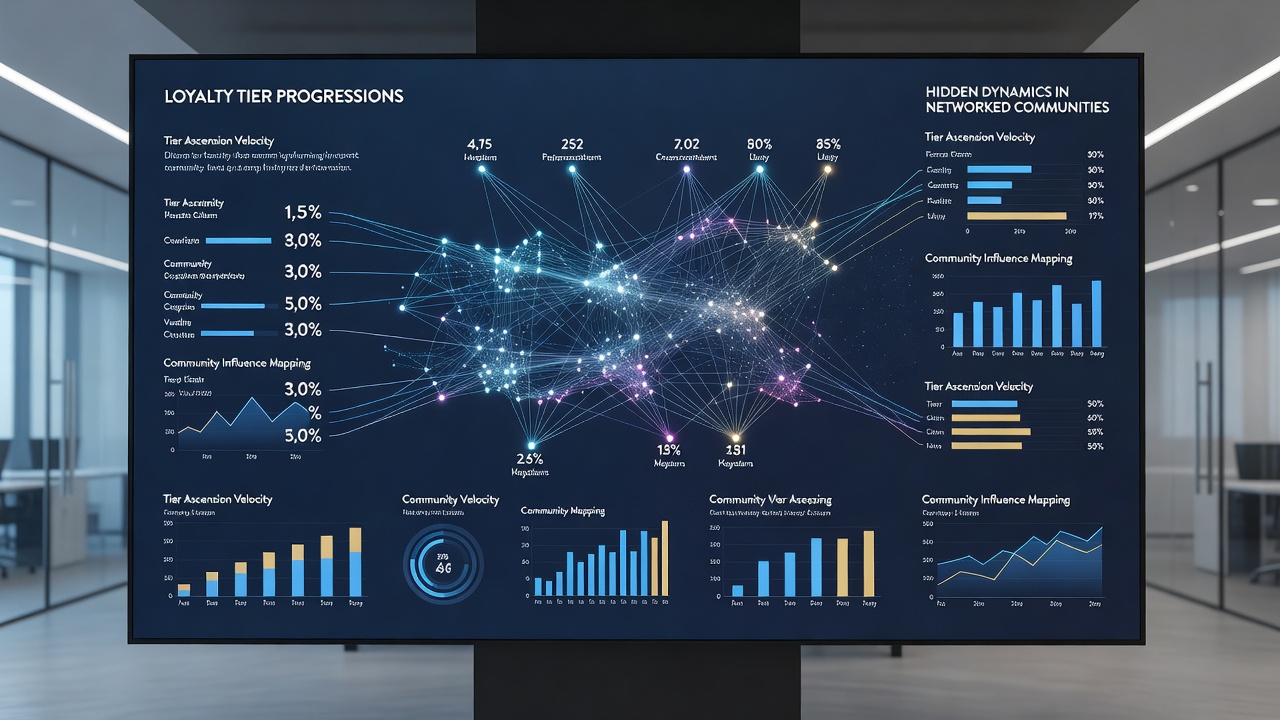
What's interesting is how these adjustments create ripple effects where a single high-volume player's activity can temporarily boost or hinder progression for dozens of connected accounts, a phenomenon tracked in real time by platform operators.
Regulatory Influences on Tier Transparency
European Gaming and Betting Association guidelines released earlier this year require clearer disclosure of progression algorithms in certain jurisdictions, yet implementation remains uneven across member states. Observers note that platforms operating under these rules have begun publishing basic progression formulas while retaining proprietary details about network-based weighting factors.
Regional banking reforms in parts of Latin America have also prompted shifts in how no-deposit bonuses integrate with loyalty calculations, forcing operators to redesign tier structures so that bonus-derived points receive different multipliers than cash wagers. This change affects progression timelines for new entrants who rely heavily on promotional offers to build initial activity levels.
Case Examples from Networked Communities
Take one documented cluster in a European betting network where players discovered that coordinated participation in live dealer tables generated bonus points distributed across the group, shortening the path to top-tier status for all members. Data indicates similar patterns emerging in North American mobile communities following the integration of skill-based elements into progressive jackpot systems.
Another instance involves Australian operators who adjusted their loyalty models after observing that cryptocurrency transactions created distinct progression advantages due to faster settlement times, prompting the introduction of time-based decay factors to equalize outcomes between payment methods.
Conclusion
Networked betting communities continue to evolve their loyalty frameworks in response to technological, regulatory, and behavioral shifts observed through October 2026. The interplay between individual actions and collective network dynamics remains central to how tiers advance, with algorithms constantly recalibrating to reflect both personal contributions and group-level patterns. Further monitoring of these systems will likely reveal additional layers as operators refine their approaches across global markets.