Payment System Evolutions Reshaping Volatility Selections Across Worldwide Online Table Game Networks
Written by Mara Schmidt · Sep 24, 2026

Payment System Evolutions Reshaping Volatility Selections Across Worldwide Online Table Game Networks
Payment methods in international online table game communities have undergone notable transitions in recent years, with data indicating increased adoption of digital wallets, cryptocurrencies, and instant transfer services alongside traditional banking channels. These changes coincide with observable adjustments in how participants approach volatility levels in games such as blackjack, roulette, and baccarat, where low-volatility options provide steadier returns while high-volatility variants offer larger but less frequent payouts.
According to industry reports compiled through 2025 and into September 2026, regions including parts of Europe and Asia have recorded shifts away from credit card deposits toward e-wallet platforms that process transactions in seconds. Observers note that these faster methods often align with preferences for quicker session cycles, which in turn influence selections toward table games with moderate to high volatility. Researchers from academic institutions tracking player behavior have documented correlations between transaction speed and risk tolerance metrics, showing that users completing deposits in under 30 seconds tend to allocate more playtime to variants featuring wider payout swings.
Regional Payment Trends and Game Selection Patterns
Data collected across multiple jurisdictions reveals distinct patterns. In Canada, for instance, regulatory frameworks supporting iGaming expansion have facilitated broader use of Interac and other local instant payment solutions, with participation in high-volatility table tournaments rising by measurable percentages in provinces where these options expanded. Meanwhile, Australian markets have seen growth in cryptocurrency integrations following updates to digital asset guidelines, and figures from government-affiliated gaming research bodies indicate that crypto users frequently gravitate toward progressive jackpot table formats that carry elevated volatility profiles.
One analysis of transaction logs from international platforms highlights how payment method availability affects bankroll management strategies. Players utilizing prepaid vouchers or mobile payment apps demonstrate shorter average session durations yet higher per-round stakes, leading to increased engagement with volatility-heavy options in roulette and poker variants. This pattern holds across demographic segments, although age groups between 25 and 40 show the most pronounced movement toward these combinations.
Technological Factors Driving Volatility Adjustments
Platform operators have responded to these payment evolutions by refining game libraries and volatility settings. Integration of blockchain-based verification systems reduces processing friction, allowing seamless movement between deposit and play phases. Studies examining user interfaces find that simplified funding flows encourage experimentation with table game parameters, including those adjusting hit frequency and payout multipliers. In September 2026, several major operators rolled out updated dashboards displaying real-time volatility ratings alongside deposit confirmation screens, a feature that appears to guide informed selections.
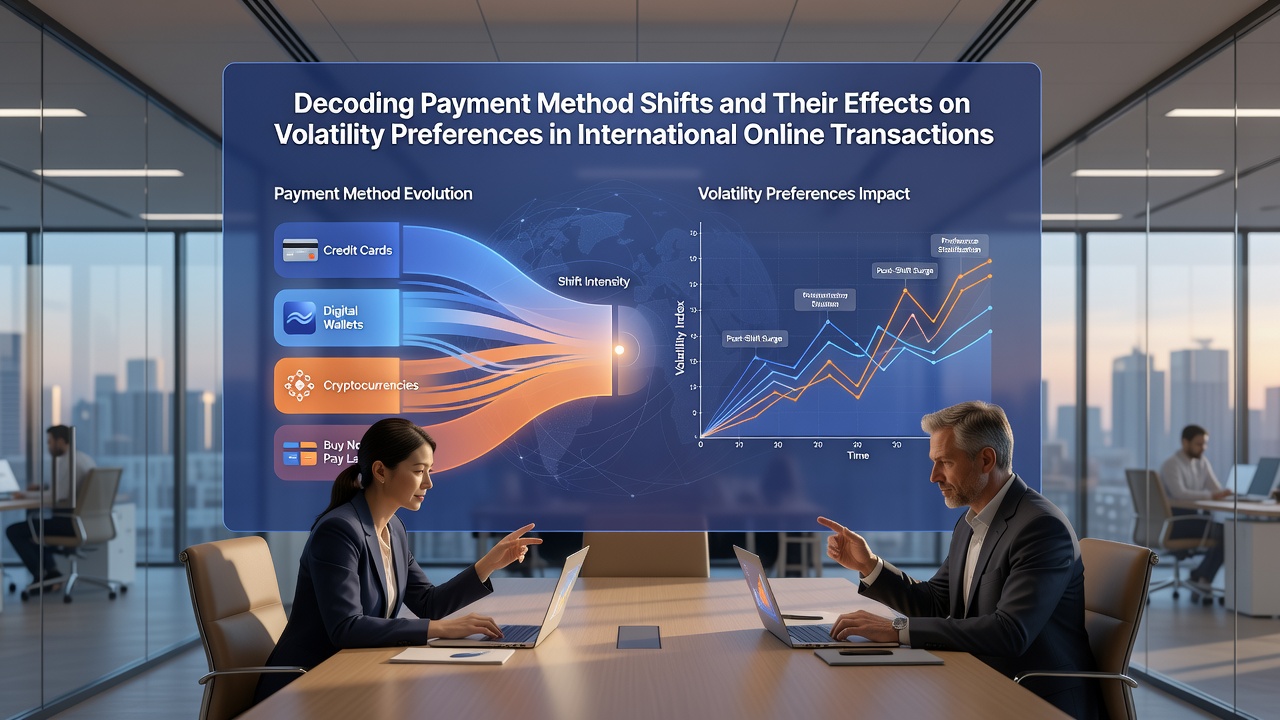
European data protection standards and similar frameworks elsewhere have also shaped these dynamics by mandating transparent fee disclosures during checkout. When fees become visible early in the process, participants adjust deposit amounts accordingly, often favoring methods that preserve larger portions of their intended bankroll for higher-volatility plays. Trade organizations representing gaming technology providers have published summaries noting that markets with streamlined payment regulations experience faster adoption rates of advanced table game features.
Cross-Border Influences and Data Insights
International comparisons further illustrate these connections. Reports from regulatory bodies in New Jersey and other U.S. states document steady growth in e-wallet usage among table game enthusiasts, paralleling modest increases in participation rates for high-volatility live dealer rooms. Academic papers examining global datasets suggest that cultural attitudes toward financial technology adoption also play roles, with communities familiar with digital currencies showing stronger preferences for volatility-tolerant game selections.
One longitudinal review of player cohorts across Asia-Pacific networks found that introduction of new payment rails prompted measurable recalibrations in game-type distributions within weeks. Those transitioning from slower bank transfers to instant options displayed elevated activity in baccarat side bets carrying greater variance. Industry associations continue to track these metrics to inform responsible gaming tools that align volatility information with funding method disclosures.
Conclusion
Payment method transitions continue to intersect with volatility preferences in measurable ways across international online table game communities. Available data from regulatory agencies, academic sources, and industry tracking efforts point to consistent patterns where faster, more accessible funding options correlate with shifts toward specific risk profiles in game selections. As platforms refine their offerings through September 2026 and beyond, these relationships remain central to understanding participant behavior in digital environments.