Policy Reforms Aligning With Payment Shifts Across Virtual Casino Platforms
Written by Theo Griffin · Oct 22, 2026

Policy Reforms Aligning With Payment Shifts Across Virtual Casino Platforms
Legislative updates continue to reshape how players fund accounts at virtual casino sites, with regional rules often dictating which deposit methods gain traction and which ones fade from use. Data from industry tracking services shows that jurisdictions introducing stricter licensing requirements frequently see accelerated adoption of regulated payment processors, whereas areas with lighter oversight experience slower shifts toward established banking channels. Researchers at several European academic centers have documented these patterns through longitudinal studies covering multiple years of regulatory filings.
Regional Rules and Their Direct Effects on Funding Options
Observers note that North American states with newly enacted online gaming statutes tend to prioritize deposit methods tied to licensed financial institutions, which leads operators to integrate more bank transfer and debit card solutions within months of legalization. In contrast, markets where cryptocurrency remains under review often witness operators expanding e-wallet partnerships as a temporary bridge until clearer guidance emerges. A 2025 report from the Canadian Centre for Gaming Research highlighted how provincial frameworks in Ontario prompted a measurable uptick in Interac-based deposits among mobile users, while platforms in unregulated zones leaned more heavily on digital currency options.
European Developments and Cross-Border Payment Adjustments
Across the European Union, directives aimed at consumer protection have prompted several member states to require verification layers on deposit methods, which in turn favors processors with built-in compliance tools. Malta's gaming authority, for instance, updated its technical standards in early 2026, resulting in a documented preference for SEPA transfers among operators serving multiple countries. Those who studied these changes found that sites incorporating faster settlement times through regulated channels saw sustained user retention, particularly when competing against platforms still relying on older card-based systems.
Meanwhile, Australian regulatory bodies have emphasized responsible gambling measures that indirectly influence deposit patterns by capping transaction sizes on certain methods. This approach has encouraged operators to promote prepaid voucher systems alongside traditional options, creating a diversified funding landscape that aligns with local compliance expectations.
October 2026 Updates and Emerging Trends
By October 2026, several jurisdictions had introduced pilot programs linking deposit method approvals to real-time transaction monitoring systems. These initiatives, rolled out in select U.S. states and parts of Eastern Europe, produced early data indicating a rise in instant bank payment usage where the technology received explicit regulatory endorsement. Industry analysts tracking these pilots observed that operators adapting their platforms ahead of deadlines experienced smoother transitions, whereas those delaying adjustments encountered temporary drops in deposit volumes during the rollout phase.
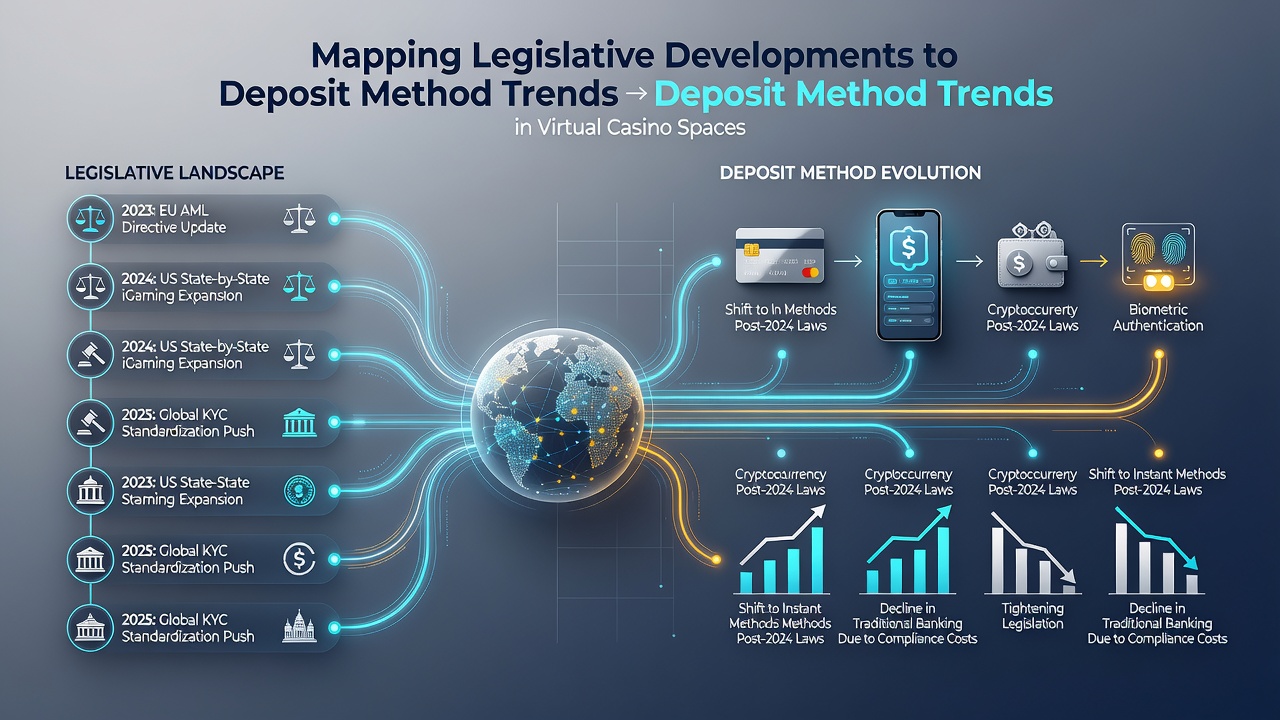
What's interesting is how these October updates also intersected with broader financial technology standards, pushing virtual casino platforms toward deposit methods that support open banking protocols. Figures from the European Gaming and Betting Association reveal that platforms integrating these protocols reported higher average deposit frequencies in the months following implementation, especially among users already familiar with similar tools in other digital services.
Industry Responses and Operator Adaptations
Operators have responded to these legislative signals by forming partnerships with payment providers that demonstrate strong audit trails and regional licensing. One study from a research group at the University of Nevada examined how Las Vegas-based companies adjusted their international offerings after new compliance rules took effect, noting a clear pivot toward methods already cleared by multiple oversight bodies. Those adjustments often included phased rollouts that allowed sites to test user response before committing fully to any single channel.
Yet the ball remains in the court of regulators in many regions, where ongoing consultations continue to shape which deposit innovations receive approval. Data indicates that markets with transparent review processes tend to attract more diverse payment options over time, creating a feedback loop where legislative clarity encourages technological investment from payment firms.
Conclusion
The connections between legislative developments and deposit method trends in virtual casino spaces remain dynamic, with each new rule set creating measurable ripple effects across operator choices and user behavior. Evidence from multiple regulatory bodies and research institutions continues to illustrate how policy timelines directly influence which funding mechanisms rise or decline in popularity. As additional jurisdictions refine their approaches, these patterns are likely to evolve further, driven by the ongoing interplay between legal requirements and available payment technologies.